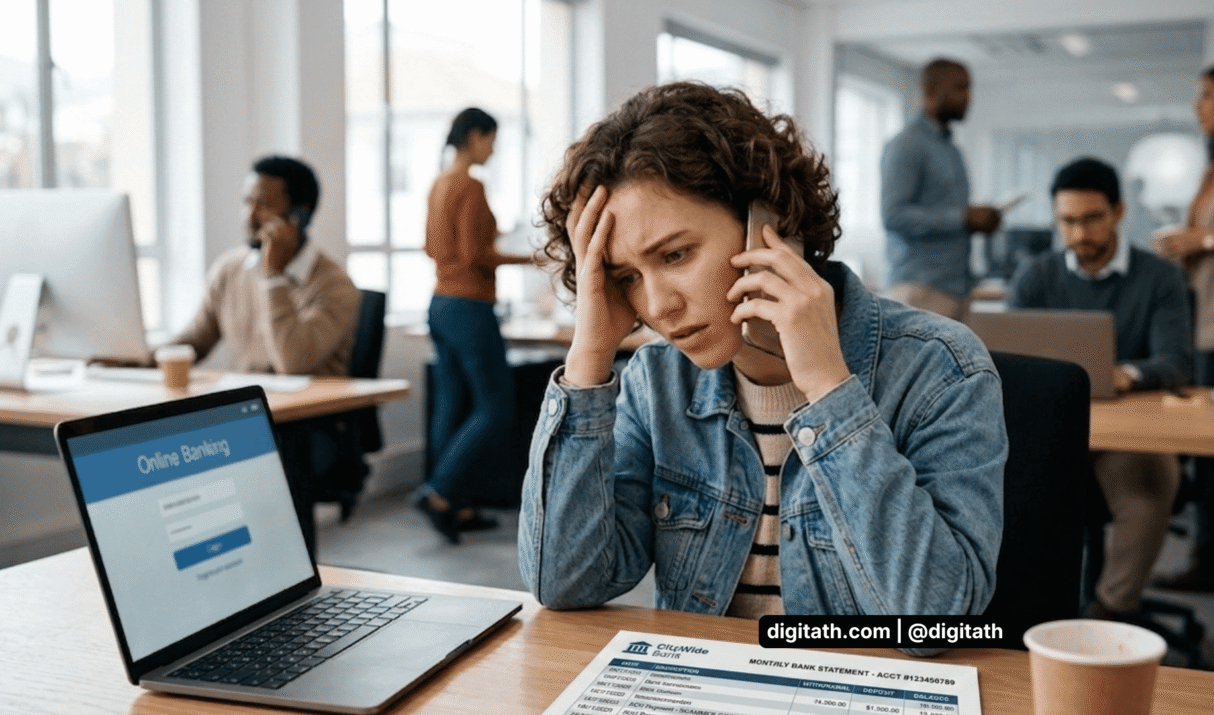

Sent money to an online scammer? Don’t panic, but act immediately. Discover the critical first steps to take with your bank, how your payment method impacts your recovery odds, and how to protect yourself from secondary “recovery” scams.
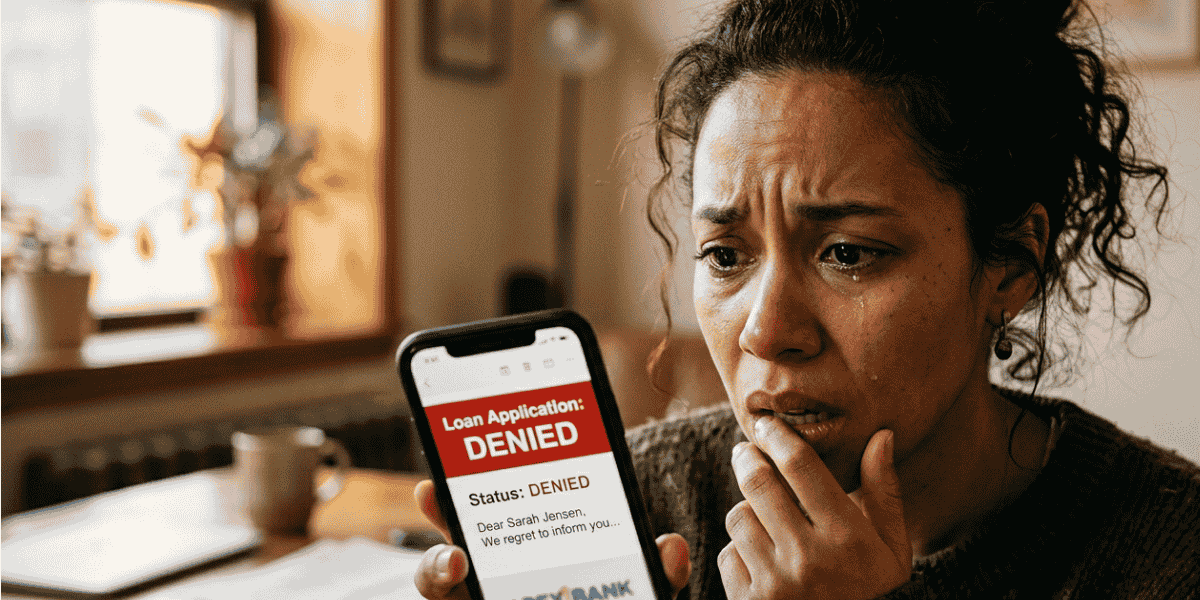
Your personal data could already be circulating online and you may never receive a warning. After $1.45 billion in losses from data breaches last year, criminals are turning stolen information into credit cards, loans, and tax fraud. Here’s how it happens and how to protect yourself before the damage appears.
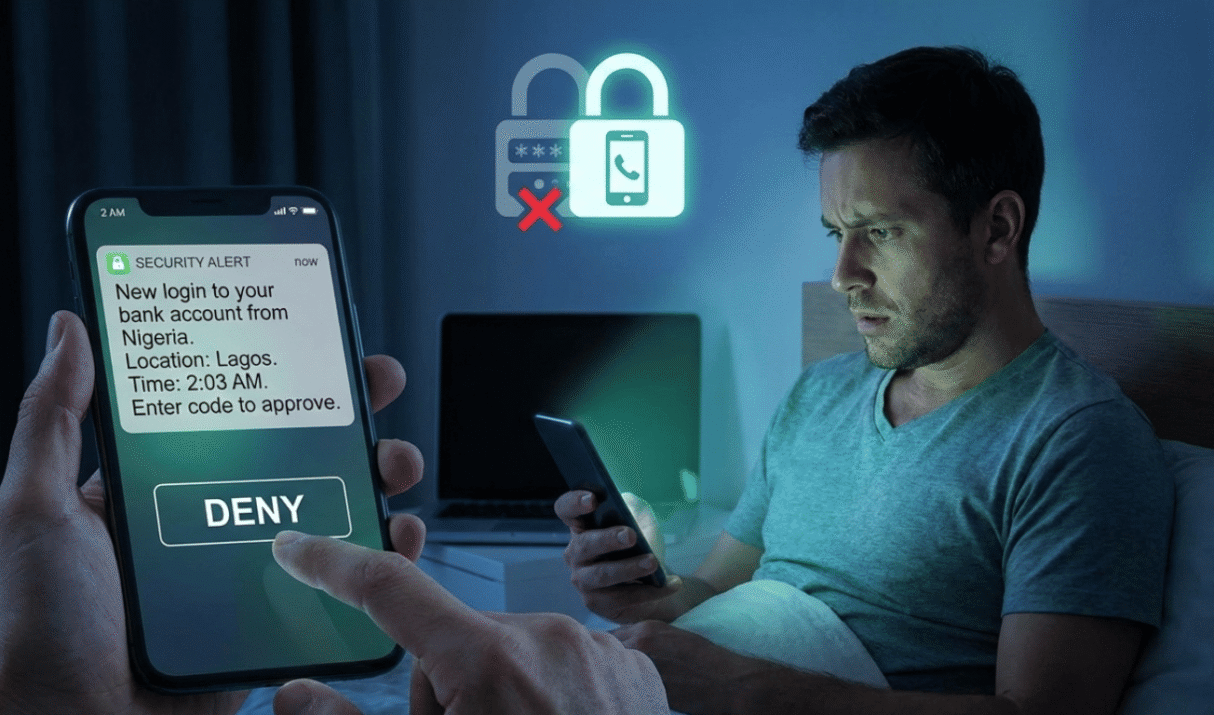
Kevin’s phone buzzed at 2 AM. “New login to your bank account from Nigeria.” He sat up fast. He hadn’t been to Nigeria. He hadn’t even been on his computer. But his password had been stolen in a data breach three months ago. A breach he didn’t even know about. The login failed. The criminal

Sarah’s hands trembled as she stared at her phone screen. Her banking app showed $47,000 missing from her retirement account. Gone. Just gone. Three weeks earlier, she’d stopped at a coffee shop. Used their free WiFi. Paid a few bills. Nothing unusual. Nothing seemed dangerous. That free WiFi wasn’t secure. Someone was watching. Recording. Stealing